
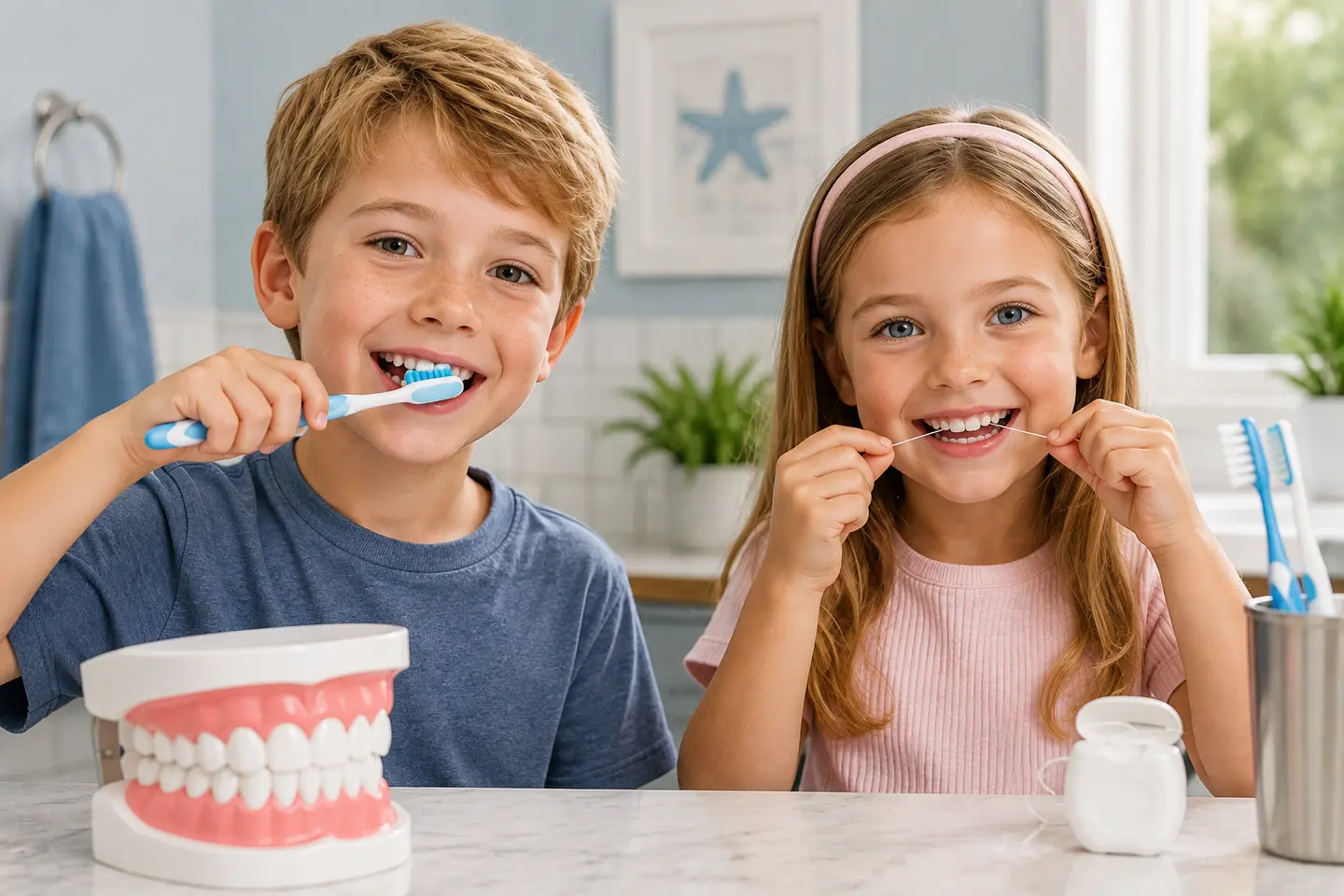
they fall out anyway. But those early teeth do some really important work. They hold space for the permanent teeth coming in behind them, they help kids chew and speak properly, and they set the foundation for lifelong oral health habits.
When brushing and flossing routines aren't consistent, decay can develop quickly in young teeth. Cavities in baby teeth can cause pain, infections, and sometimes affect the development of the adult teeth waiting underneath. Starting good habits early and making sure those habits are actually effective genuinely makes a long-term difference.
This is one of the most common questions we hear at our practice, and the answer might surprise some parents. Brushing should start before your child even has a full set of teeth. As soon as the first tooth appears, usually around six months, it's time to start cleaning it.
For babies and toddlers under age two, a soft-bristled infant toothbrush with a tiny smear of toothpaste, about the size of a grain of rice, is all that's needed. Once a child turns three, that amount increases to a pea-sized amount. The routine itself matters more than perfection at this stage. You're building a habit and a sense of familiarity with the process.
Knowing that your child should be brushing twice a day is one thing. Making sure it's actually happening correctly is another. Technique matters a lot more than most people think, and it shifts a little depending on how old your child is.
For toddlers and preschoolers, a parent should be doing the brushing, full stop. Kids this age simply don't have the hand coordination to do it effectively on their own. Sit your child in your lap or stand behind them at the sink, tilt their head back slightly so you can see all the surfaces, and use small circular motions along the gumline. Spend about two minutes total, working through all four sections of the mouth.
For kids in the six to eight age range, a good approach is to let them brush first, and then you do a follow-up pass to catch what they missed. Most kids this age are eager to do it themselves, and letting them try builds independence. Just don't skip the check-in.
By around age eight to ten, most kids can handle brushing on their own with regular reminders and the occasional parent check. The back molars are the spots that get missed most often, so gently reminding them to spend extra time back there goes a long way.
Flossing is the step that gets skipped most often, and honestly, it's understandable. It can be awkward with small mouths, and kids rarely stay still for it. But flossing removes the plaque and food that a toothbrush simply cannot reach between teeth, and those in-between spaces are exactly where cavities love to form in children.
Flossing should start as soon as two teeth are touching side by side, which often happens before age three. For younger kids, floss picks designed for children are much easier to maneuver than traditional string floss and make the whole process faster.
When using string floss, wrap the ends around your middle fingers so your index fingers and thumbs do the guiding. Use a gentle C-shape motion around each tooth, sliding the floss down below the gumline and back up. Never snap or force the floss, especially in little mouths. A soft, gentle approach gets the job done just as well and keeps the experience from feeling unpleasant.
For kids who really resist flossing, floss picks with kid-friendly handles or water flossers designed for children can be game changers. The goal is consistency, so whatever tool makes that more likely to happen is the right choice.
Here's the thing: kids who enjoy the routine are kids who actually do it. And there are some genuinely simple ways to make brushing and flossing feel less like a chore.
A two-minute sand timer or a favorite song that runs about that long turns brushing into something with a clear, fun endpoint. Letting kids pick their own toothbrush with a character or color they love gives them a sense of ownership. Flavored toothpastes and kid-friendly floss picks also help more than you'd expect.
Some families use a simple sticker chart where kids earn a sticker for every successful morning and night routine. It sounds basic, but it works, and it reinforces the habit until it becomes second nature.
What we always tell parents at Kind Kids Pediatric Dentistry is that your attitude about it shapes theirs. If brushing and flossing are presented as a normal, non-negotiable part of the day rather than a battle, kids tend to accept them that way a lot more easily.
Even when parents are doing everything right at home, regular dental visits play a huge role in keeping kids' teeth healthy. A pediatric dentist in Des Plaines can spot early signs of decay, identify any areas where brushing is being missed consistently, and give kids a professional cleaning that removes buildup no toothbrush or floss can tackle on its own.
At Kind Kids Pediatric Dentistry, we also take time during each visit to show kids how to brush and floss in a way that feels engaging rather than instructional. When a child hears it from their dentist in a fun, relaxed setting, it tends to stick in a way that a conversation at home sometimes doesn't.
We also apply fluoride treatments and dental sealants when appropriate, which add an extra layer of protection for teeth that are still developing and more vulnerable to cavities.
The habits your child builds right now around brushing and flossing will stay with them far longer than childhood. At Kind Kids Pediatric Dentistry, we're here to support your family at every step, from the very first tooth all the way through the teenage years.
If you're looking for a pediatric dentist in Des Plaines who truly makes kids feel at ease, we'd love to meet your little one. Reach out today to schedule an appointment and let's build a healthy smile together.
Q: How long should my child brush their teeth?
A: Two minutes, twice a day. It sounds straightforward, but most kids, and many adults, rush through in under a minute. Using a timer or a two-minute kids' song can help make sure the full time is being spent on it.
Q: My child swallows toothpaste. Should I be worried?
A: A little swallowing is normal for very young children, which is why the amount used is kept so small at that age. For kids under three, a rice-grain-sized smear of fluoride toothpaste minimizes any concern. As kids get older and learn to spit, you can move to a pea-sized amount. If you have specific concerns, it's always worth raising them at your next dental visit.
Q: When should I stop helping my child brush and let them do it on their own?
A: Most children don't develop the fine motor skills needed for truly effective independent brushing until around age seven or eight. Until then, a parent finishing up after the child brushes is the best approach. Even after that, periodic check-ins are a good idea.
Q: How often should my child visit the dentist?
A: Most children benefit from dental checkups every six months. Your child's dentist may recommend a different schedule based on their individual needs, but twice a year is the general standard for keeping decay and other concerns in check.
Q: My child's gums bleed when we floss. Is that normal?
A: A little bleeding when you first start a flossing routine is fairly common and usually means the gums aren't used to it yet. With consistent daily flossing, it typically clears up within a week or two. If the bleeding is heavy or persists, it's worth mentioning at your next appointment.
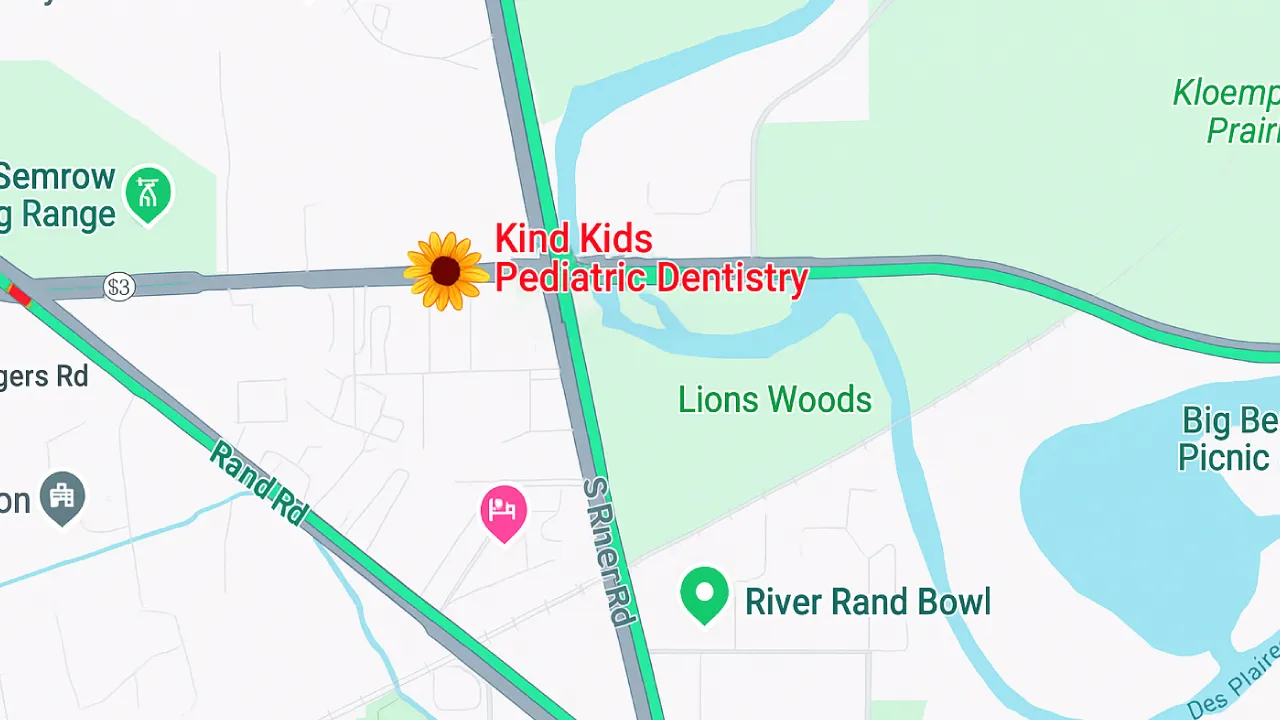
Get top-quality dental care in Des Plaines, IL—book an appointment
with our experienced dentists at Kind Kids Pediatric Dentistry.


 (224) 580-2007