
Watching your little one recover after oral surgery can definitely feel a bit overwhelming. Even if everything went perfectly in the clinic, it is completely natural to worry about how they will handle the soreness, swelling, or just trying to eat their first meal once the numbness wears off. Luckily, most kids bounce back remarkably well when they have the right aftercare routines and a bit of guidance from a trusted pediatric oral surgeon.
While children often heal much faster than adults, their recovery still takes a good dose of patience and close attention. Whether your child just had a tooth extraction or another type of minor oral surgery, knowing exactly how to handle discomfort at home makes the next few days a lot easier for the whole family.
At Kind Kids Pediatric Dentistry, we plan every single procedure with safety, comfort, and age-appropriate care in mind. We make sure every family leaves with personalized post-operative instructions designed to help their child heal comfortably and safely.
A pediatric oral surgeon focuses entirely on surgical dental procedures built around the needs of growing kids and teenagers. Children have developing jaws, shifting teeth, and unique emotional needs that require a much gentler, highly specialized approach than adults do.
A pediatric oral surgeon might recommend surgery if a child is dealing with:
Feeling some discomfort after oral surgery is a normal part of the process, and it usually starts to fade away gradually over a few days. The actual level of soreness often depends on the specific procedure, your child's age, and how extensive the treatment turned out to be.
After a visit with a pediatric oral surgeon, you might notice your child experiencing:
For instance, after typical tooth extractions, the empty space can stay quite tender for a few days while the tissue heals up. Following a crown lengthening surgery, children often notice some lingering gum sensitivity while the area adjusts. For the most part, kids improve steadily when they get plenty of rest, stay hydrated, and receive good home care.
Parents play a massive role in helping their little ones stay comfortable after oral surgery. Taking a few simple, thoughtful steps at home can make a massive difference in how they feel during recovery.
Depending on the procedure and what your child needs, a pediatric oral surgeon might suggest over-the-counter pain relief or write a specific prescription.
As a parent, it helps to:
Using an ice pack or cold compress is a great way to ease swelling and dull the soreness during the first 24 hours after surgery.
A simple way to handle this includes:
This simple step can be incredibly comforting after tooth extractions or other surgical procedures done by a pediatric oral surgeon.
Kids often want to jump right back into their normal routines way too fast. However, resting is a critical part of the healing process after any oral surgery.
During the first day or two, you can help by trying to:
Most children will naturally ease back into their regular schedules within a few days, depending on the specific procedure.
Eating can feel a bit awkward and uncomfortable right after dental surgery, especially while the mouth is still tender or totally numb. Sticking to soft foods makes things much easier during the initial recovery phase.
Parents can stock up on easy options like:
Try your best to avoid foods that are:
You should also avoid letting them drink through a straw after certain procedures, especially tooth extractions. The suction can disrupt the healing blood clot and slow down recovery. Your pediatric oral surgeon will always give you a detailed breakdown of what your child can eat based on their specific surgery.
Even though a certain amount of soreness is totally normal, you should reach out to your pediatric oral surgeon right away if you notice any of these warning signs:
Getting in touch with the office promptly ensures your child gets the right follow-up care the moment a concern pops up.
Kids are incredibly smart and tend to pick up on their parents' emotional cues during recovery. Staying calm, patient, and reassuring can help your child feel completely safe and far more comfortable.
Some wonderful ways to support them through the process include:
Having a positive, supported experience with a pediatric oral surgeon early on can do wonders for reducing any anxiety about going to the dentist in the future.
If your child needs oral surgery, working alongside our experienced pediatric oral surgeon can make the entire journey feel a lot smoother and less stressful for everyone.
At Kind Kids Pediatric Dentistry, we design personalized treatment plans that keep your child's comfort, developmental stage, and long-term oral health at the forefront. We approach every single procedure with a gentle touch and provide detailed post-operative support so you feel completely informed every step of the way.
Reach out to Kind Kids Pediatric Dentistry today to set up a consultation with our pediatric oral surgeon and explore the best treatment options for your child.
Q: How long does soreness usually last after dental surgery in children?
A: Mild soreness and tenderness typically start to improve within a few days. Every child heals at their own pace, and the exact timeline usually depends on the specific procedure they had.
Q: When should I contact a pediatric oral surgeon after surgery?
A: You should call your pediatric oral surgeon right away if you notice severe or worsening swelling, bleeding that won't stop, a fever, uncontrolled pain, or any clear signs of an infection.
Q: What are the best foods to give my child after pediatric dental surgery?
A: Soft, easy-to-chew foods are always best. Great options include yogurt, lukewarm mashed potatoes, fruit smoothies, oatmeal, and soft scrambled eggs.
Q: Is it normal for a child to have swelling after a tooth extraction?
A: Yes, mild swelling is completely common after having a tooth pulled. It usually peaks and then starts to go down gradually within the first few days.
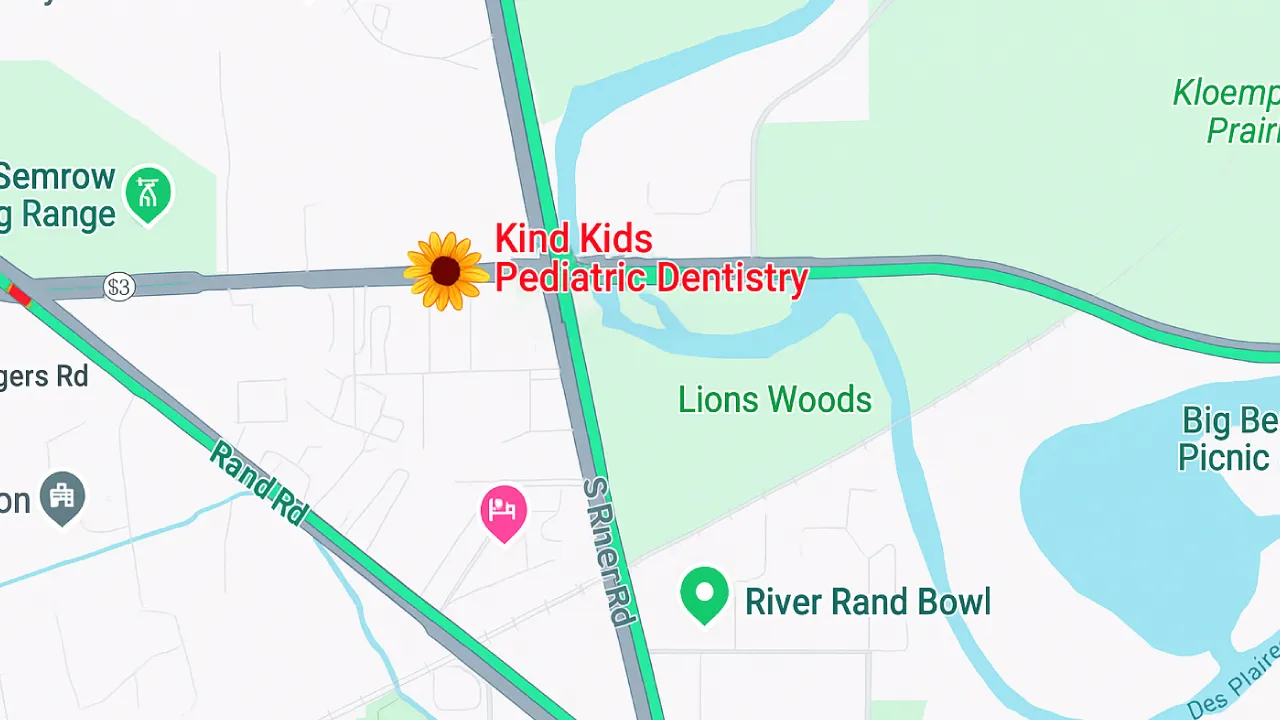
Get top-quality dental care in Des Plaines, IL—book an appointment
with our experienced dentists at Kind Kids Pediatric Dentistry.


 (224) 580-2007