
When a dentist mentions oral surgery for a child, most parents immediately think of the procedure itself. However, it is more helpful to look at surgery as a proactive step toward a healthy adult smile. Pediatric oral surgery is rarely about a quick fix for today; it is almost always about clearing the path for the teeth and jaw to develop correctly over the next several years.
By addressing issues early, you are often saving your child from more painful, time-consuming, and expensive treatments in their teenage years. Understanding the long-term benefits of these common procedures can help you see surgery as a positive investment in your child's health.
In pediatric dentistry, we focus heavily on growth. A regular cleaning or a filling takes care of the teeth we can see, but oral surgery addresses the teeth and bone structure we cannot see. A dentist will recommend a surgical step when waiting could lead to a permanent problem with your child's bite or jaw alignment.
Common reasons for a surgical visit include:
By taking care of these things now, you can often avoid more complicated and expensive dental work when your child is older.
While dentists always try to save every tooth, sometimes pulling one is the healthiest choice. If a tooth is badly damaged from a hit to the face or has deep decay that keeps getting infected, removing it stops the pain and protects the rest of the mouth.
Another reason is crowding. If a child has a small jaw and large adult teeth, removing a few specific teeth creates the room needed for the rest to grow in straight. During the visit, the dentist uses numbing medicine so the child only feels some pressure, not pain.
A frenectomy is a simple fix for what people call a tongue tie or a lip tie. This happens when the small bit of skin under the tongue or behind the upper lip is too short or thick, which can keep things from moving as they should.
Many dentists now use a laser for this. It is very gentle, involves almost no bleeding, and heals quickly. Most kids feel better right away, and it can solve feeding or speech problems almost instantly.
Safety is the top priority during any dental procedure. Pediatric dentists go through extra years of training to handle the specific needs of children. They use smaller tools made for little mouths and work hard to keep the visit calm and relaxed.
Most minor procedures only require a little numbing medicine in the specific spot being worked on. If a child is very young or nervous, there are a few ways to help them stay relaxed:
Kids are usually very tough and bounce back fast. Even so, the first day or two is the most important time for healing.
To help things go smoothly:
Q: How long does it take to recover?
A: Most kids are back to their normal selves within 24 hours. While the spot might be a little sore for a few days, they can usually go back to school the next day.
Q: What is a space maintainer?
A: If a baby tooth is removed early, the teeth next to it might slide into the empty space. A space maintainer is a small metal loop that holds that spot open so the adult tooth has room to grow in later.
Q: Can my child eat before the appointment?
A: If the dentist is only using numbing medicine, a light meal beforehand is fine. If your child is being sedated, you will get strict rules about avoiding food and drink for several hours before the visit.
Q: Will the surgery leave a scar?
A: Most pediatric surgeries are done inside the mouth where the skin heals very fast. You will not see any scars on the outside, and the gums usually look normal within a few weeks.
Q: How do I know if my child has a tongue tie?
A: Look for signs like trouble lifting the tongue to the roof of the mouth or a tongue that looks like a heart shape when they stick it out. A quick exam by the dentist can tell for sure.
Q: Is sedation safe for a toddler?
A: Yes, when it is done by a professional. The dentist picks the lightest level of sedation needed to keep your child safe based on their weight and health.
Q: What if my child won’t sit still?
A: This is very common. Pediatric dentists are experts at working with kids. If a child is too wiggly to be safe, the dentist might suggest laughing gas to help them relax.
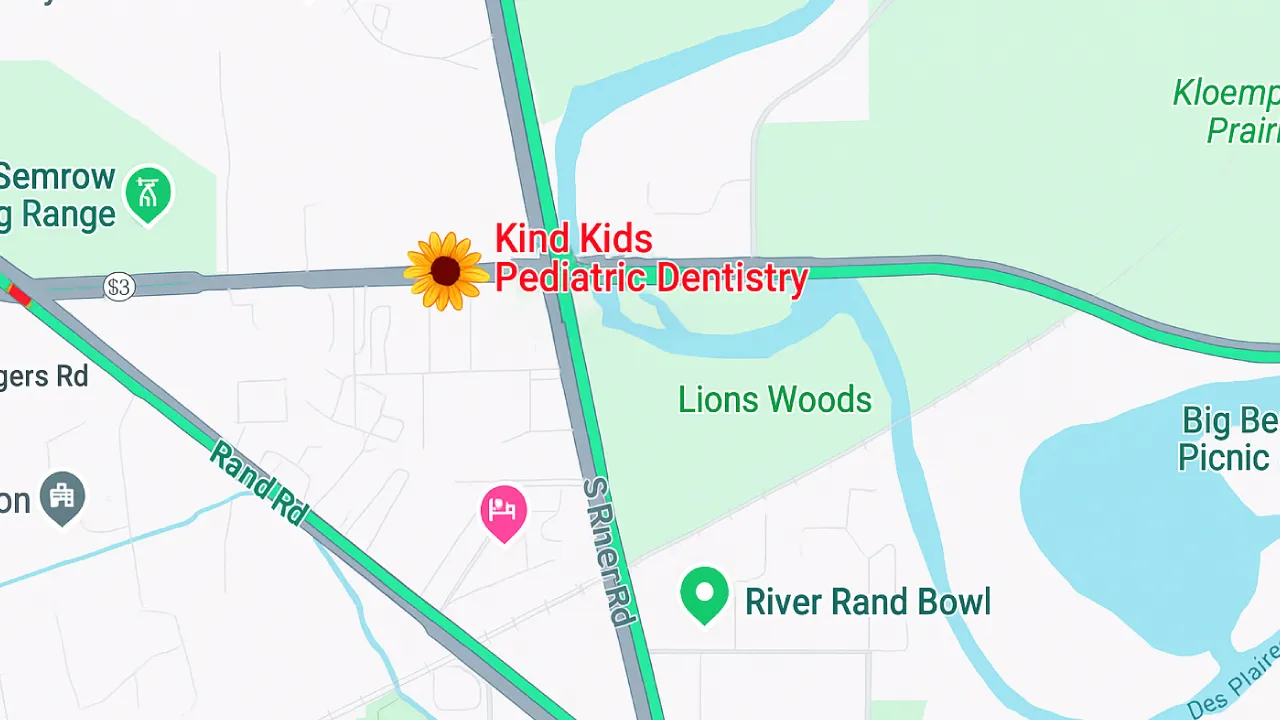
Get top-quality dental care in Des Plaines, IL—book an appointment
with our experienced dentists at Kind Kids Pediatric Dentistry.


 (224) 580-2007