
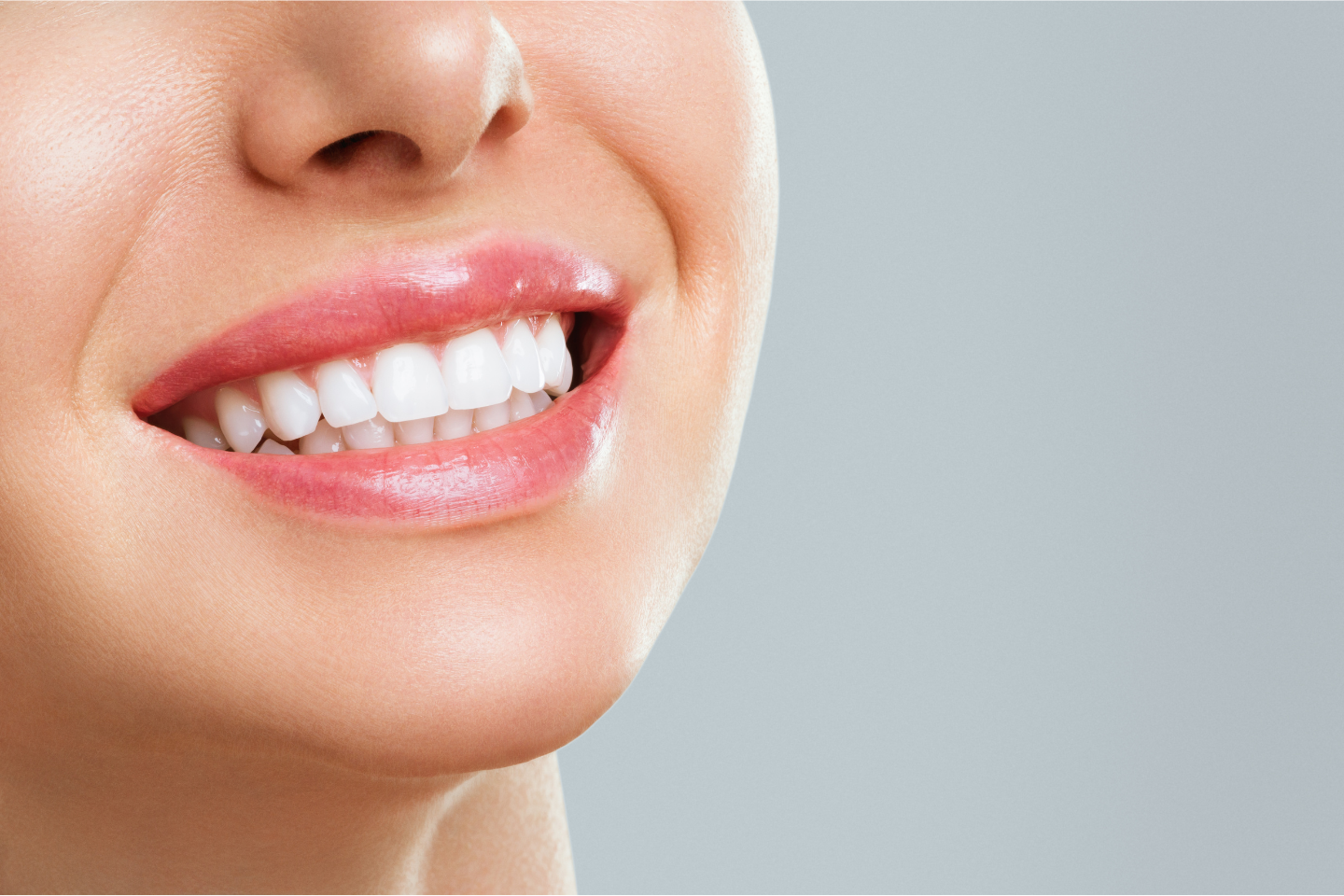
The teenage years bring a lot of changes, and as kids grow, they often become more aware of their appearance. It is very common for teens to start noticing the color of their teeth, especially when they see bright smiles on social media or among their friends. A bright smile can go a long way in boosting a teenager’s self-esteem during these important school years.
If your teen has started asking about teeth whitening, you probably have a few questions of your own. Is it safe? Does it actually work? As a parent, you want to support their confidence without risking the health of their adult teeth. Understanding how teeth whitening works for younger people is the first step in making a smart, healthy choice for your child.
Before you look at whitening products, it helps to figure out why the staining is happening in the first place. Teenagers lead busy lives, and their habits often show up on their teeth.
One of the biggest factors is diet. Many teens frequently drink sodas, sports drinks, or energy drinks, all of which are high in acid and sugar. These drinks can wear down enamel and leave behind surface stains. Coffee and tea are also becoming more popular with older teens, adding to the problem.
Another major reason is oral hygiene. With school, sports, and social lives, some teens rush through their brushing or forget to floss. When plaque sits on the teeth, it can harden into tartar, which has a yellowish tint that a toothbrush cannot remove.
For teens who have just finished orthodontic treatment, "braces spots" are a common concern. While the brackets protect the tooth underneath, the areas around them can stain if cleaning was difficult during treatment. Once the braces come off, the color difference becomes noticeable. Finally, some teeth look yellow simply because of genetics or because the adult enamel is naturally a different shade than the baby teeth were.
Timing is everything when it comes to dental work. Most dentists recommend waiting until a teenager has all of their permanent teeth and the tooth roots are fully formed. This typically happens between the ages of 13 and 16.
If you start whitening too early, it can lead to extreme sensitivity. Younger teeth have larger "pulps" (the nerve center of the tooth), which makes them much more reactive to the chemicals found in whitening gels. Waiting until the teeth are fully developed ensures the process is comfortable and safe.
When you start looking for solutions, you will find everything from cheap strips at the grocery store to high-end dental treatments. Here is a breakdown of how they compare.
This is the most direct approach. The dentist applies a professional-grade whitening gel to the teeth in a controlled environment. They often use a special light to speed up the process. This is usually the best choice for teens who want fast results for a specific event, like prom or senior photos. Because a professional is doing the work, they can ensure the gums are protected, and the results look natural.
Many families find that custom kits are the perfect middle ground. The dentist takes an impression of your teen’s teeth and creates a set of custom plastic trays. Your teen then uses a mild whitening gel at home for a set amount of time each day. These are much more effective than store-bought options because the trays fit perfectly, keeping the gel on the teeth and preventing it from leaking onto the gums.
It is easy to grab a box of whitening strips or a pen while you are out shopping. They are cheap and easy to find, but they aren't always the best fit for a teenager. Most of these products are designed for adult mouths. Because they are a one-size-fits-all shape, they often don’t sit right on teeth that are still shifting or slightly crooked.
When a strip doesn't fit well, the whitening gel can leak onto the gums. This often causes soreness or white chemical burns on the soft tissue. There is also the risk of overdoing it. Some teens, wanting fast results, might use these kits too often. This can thin out their tooth enamel, which leads to permanent sensitivity and a lot of discomfort when eating hot or cold foods.
Not every teenager needs a full whitening treatment to see a difference. Sometimes, just changing a few daily habits can bring back a lot of brightness.
One of the simplest tricks is drinking more water. If your teen rinses their mouth with water after having a soda or a snack, it helps wash away the acids and dark pigments before they have a chance to settle into the teeth. You can also try a gentle whitening toothpaste. While these won't bleach the teeth to a new shade, they are great at scrubbing away the daily surface stains from food.
The most effective way to brighten a smile without any harsh chemicals is actually a standard visit to the dentist. A professional cleaning does wonders. Hygienists use specialized tools to scrape away tartar and deep stains that a regular toothbrush just can't budge. Many teens walk out of their routine checkup with a smile that looks several shades lighter just from a thorough, professional scrub.
While whitening is safe when done correctly, there are a few side effects to watch out for. The most common is tooth sensitivity. Your teen might feel a sharp "zing" when drinking cold water or eating ice cream. This usually goes away a day or two after treatment stops.
Gum irritation is another possibility. If the whitening gel touches the soft tissue of the mouth, it can cause the gums to feel sore or look slightly white for a short time. This is why professional supervision is so important—it minimizes these risks.
Q: Is teeth whitening safe for a teenager’s enamel?
A: Yes, when done properly under professional guidance. Overusing store-bought products can be risky, but dentist-supervised methods are designed to protect the enamel.
Q: Can my teen whiten their teeth while wearing braces?
A: It is better to wait. Whitening with braces will only brighten the parts of the teeth not covered by brackets, which leads to dark spots once the braces are removed.
Q: How long do the results of whitening last?
A: It usually lasts between six months and two years. It depends mostly on your teen's habits. If they drink a lot of soda or forget to brush, the stains will return sooner.
Q: What if my teen has sensitive teeth?
A: If they already have sensitivity, a dentist can provide a lower-strength gel or a special toothpaste to use before and after whitening to keep them comfortable.
Q: Will whitening work on fillings or crowns?
A: No. Whitening treatments only change the color of natural tooth structure. If your teen has a filling or crown on a front tooth, it will stay the same color while the rest of the teeth brighten.
Q: How can my teen keep their teeth white after treatment?
A: The best way is to maintain a solid routine: brush twice a day, floss daily, and rinse with water after consuming staining foods or drinks. Regular dental visits are also key.
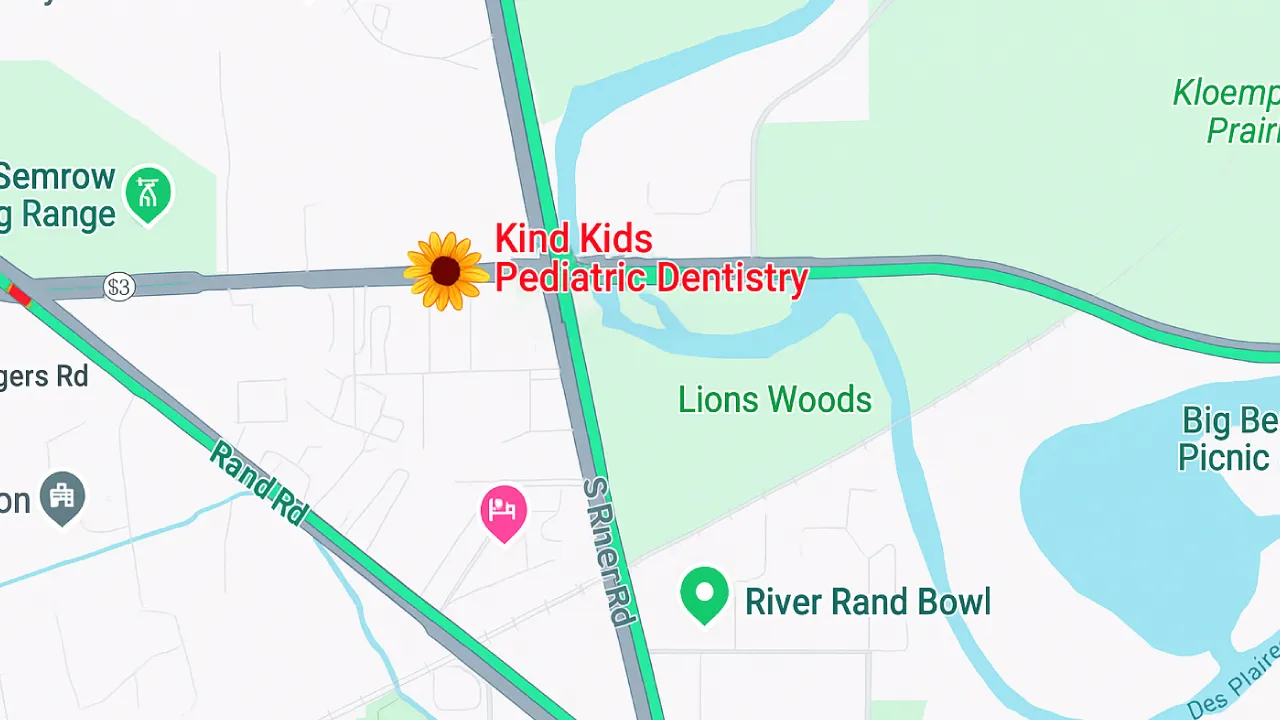
Get top-quality dental care in Des Plaines, IL—book an appointment
with our experienced dentists at Kind Kids Pediatric Dentistry.


 (224) 580-2007