
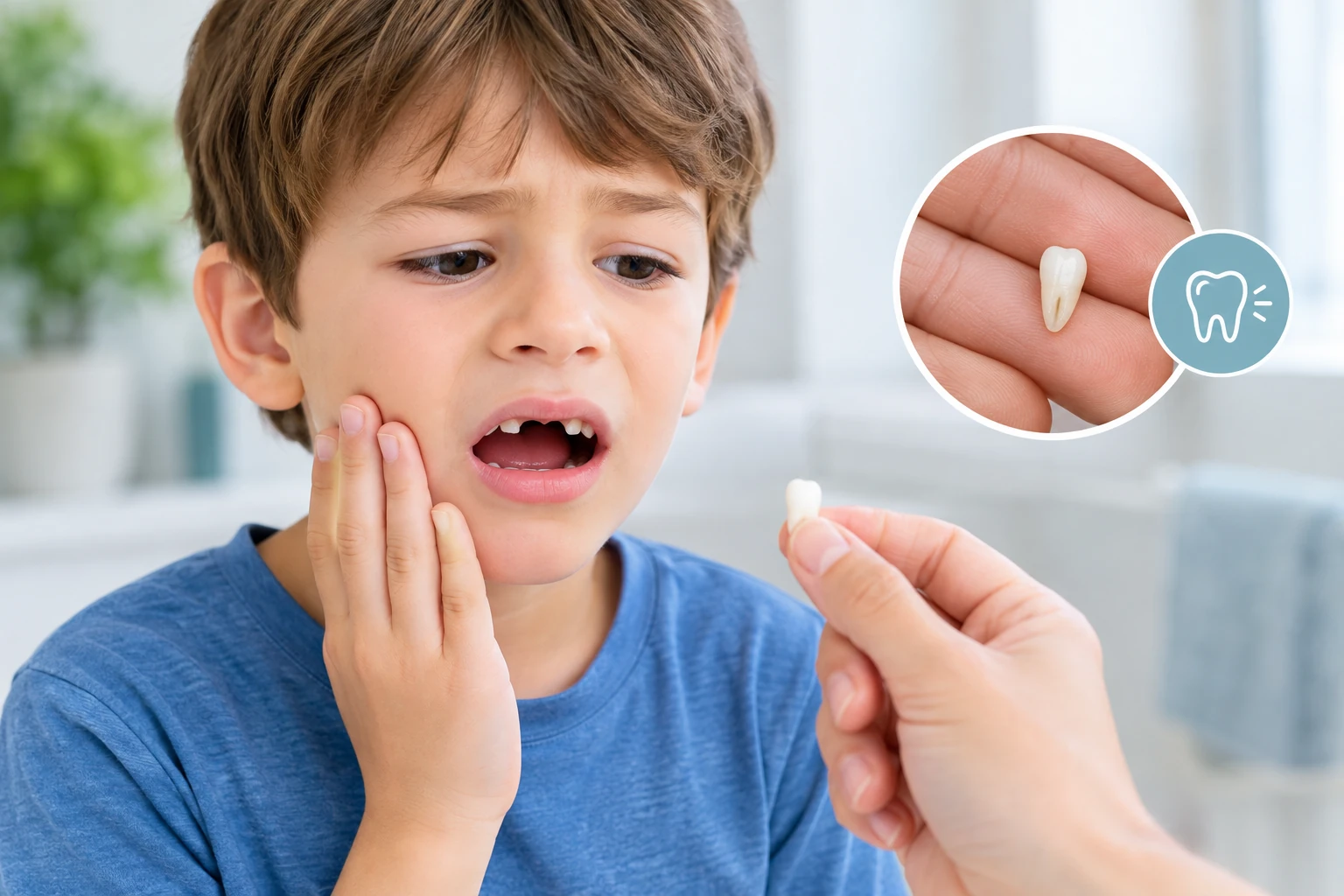
A knocked-out tooth is one of those moments that can make even the calmest parent's heart skip a beat. Maybe it happened on the playground, during a bike ride, or in a collision with a sibling during an overly enthusiastic game of tag. Whatever the cause, knowing what to do in the first few minutes can make a real difference. If you are searching for an emergency pediatric dentist in Des Plaines, IL right now because this is actively happening, keep reading, since the steps below are organized to help you act quickly and calmly.
This guide walks through what to do immediately after a tooth is knocked out, how to tell whether it is a baby tooth or permanent tooth, and when reaching out to an emergency pediatric dentist in Des Plaines, IL becomes the right next step.
It sounds simple, but the first and most important step is taking a breath before jumping into action. Children often look to their parents for cues on how worried they should be, so a calm and steady tone can help keep your child from panicking, which makes the next steps easier to manage.
Start by checking your child for any other injuries, especially if the incident involved a fall or a hit to the head. A knocked-out tooth is rarely a sole emergency, so it helps to rule out anything more serious before focusing on the tooth itself. Once you know your child is otherwise okay, you can move on to figuring out whether the tooth involved is a primary tooth or a permanent one, since this changes what happens next.
Knowing whether the knocked-out tooth is a baby tooth or a permanent tooth is one of the most important pieces of information for guiding your next steps. If your child is under the age of six or so, there is a reasonable chance the tooth involved is a primary tooth, though this varies depending on your child's individual dental development.
If a baby tooth has been knocked out, dentists typically do not attempt to reinsert it, since doing so can risk damage to the developing permanent tooth underneath. Even so, reaching out to a pediatric dental office remains a good idea to check on the surrounding gum tissue and confirm nothing else needs attention.
If the tooth is permanent, time becomes more of a factor, and knowing how to handle the tooth properly in the minutes that follow can influence the outcome. This is often the point where families start searching for an emergency pediatric dentist in Des Plaines, IL, to get guidance as quickly as possible.
If you have confirmed the tooth is a permanent one, a few careful steps in the moments right after the incident can help.
First, locate the tooth and pick it up by the crown, which is the white chewing surface, rather than the root. Handling the root as little as possible helps protect the delicate tissue that may still be attached.
If the tooth appears dirty, a gentle rinse with water can help, though scrubbing or using soap should be avoided. If your child is old enough and cooperative, you can try gently repositioning the tooth back into its socket, facing the correct direction, and having them bite down softly on a clean cloth to help hold it in place.
If reinsertion is not possible or your child is too young to manage this safely, keeping the tooth moist is the priority. Placing it in a container of milk, saline solution, or your child's own saliva can help preserve the tissue until you reach professional care. Avoid storing the tooth in plain tap water, since this is not ideal for preserving the root surface.
From there, contacting an emergency pediatric dentist in Des Plaines, IL as soon as possible gives your child the best chance at a positive outcome, since prompt evaluation allows a dental professional to assess the situation and determine appropriate next steps, often using digital X-rays to check the tooth and surrounding bone.
Timing matters quite a bit when it comes to a knocked-out permanent tooth, and reaching a dental professional promptly is generally recommended. Many pediatric dental practices, including ours, set aside time for urgent situations exactly like this one, so calling ahead lets the team prepare for your arrival.
If you are unable to reach a dentist right away and the situation feels urgent, a hospital emergency room can also help, particularly if there are other injuries involved. That said, an emergency pediatric dentist in Des Plaines, IL, who has experience treating young patients is often well positioned to manage the specific needs of a dental trauma case involving a child.
Beyond the practical steps, do not underestimate how much your presence and tone matter to your child in this moment. A knocked-out tooth can be scary and painful, and children often take emotional cues from the adults around them.
Simple reassurance, a calm voice, and clear explanations of what is happening next can go a long way. Letting your child know that dentists who work with kids are used to handling situations like this, and that there are ways to help, such as nitrous oxide for anxious patients when appropriate, can ease some of the fear that comes with an unexpected injury.
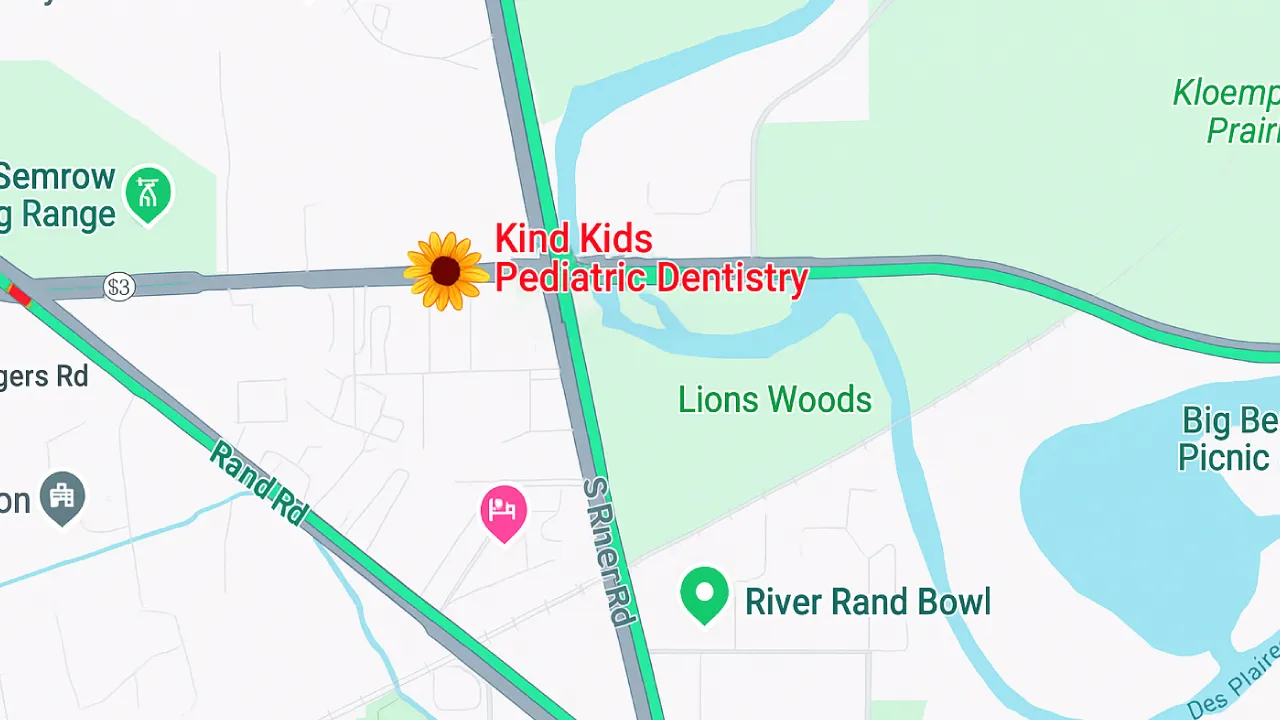
Dental emergencies rarely happen at a convenient time, which is exactly why having a trusted emergency pediatric dentist in Des Plaines, IL on your radar ahead of time can make a real difference. At Kind Kids Pediatric Dentistry, our team understands how stressful a knocked out tooth can be for both children and parents, and we prioritize urgent situations so your child can be seen quickly. If your child has experienced a dental injury, contact Kind Kids Pediatric Dentistry right away so we can guide you through next steps and get your child the care they need. New to our practice? Our new patient page explains what to bring and how to get started.
Q: What should I do first if my child knocks out a tooth?
A: Stay calm, check for any other injuries, and determine whether the tooth is a baby tooth or a permanent tooth before deciding on next steps.
Q: Should I try to put a knocked-out permanent tooth back in place?
A: If your child is cooperative and old enough, gently repositioning the tooth and having them bite down on a clean cloth can help, though this is not always possible depending on the situation and your child's age.
Q: How should I store a knocked-out tooth if I cannot reinsert it?
A: Keeping the tooth moist in milk, saline solution, or saliva helps preserve it until you can reach a dentist. Avoid using plain tap water for storage.
Q: Do I need to worry if the tooth knocked out is a baby tooth?
A: Baby teeth are generally not reinserted, but it is still a good idea to have a pediatric dentist check the area to make sure nothing else needs attention.
Q: How quickly should I contact an emergency pediatric dentist after this happens?
A: Reaching out as soon as possible is recommended, since prompt evaluation gives your child the best opportunity for a positive outcome, particularly with permanent teeth.
Q: Can a knocked-out tooth be a sign of a more serious injury?
A: It is possible, especially if the incident involved a fall or impact to the head or face. Checking your child for other symptoms and seeking medical attention when needed is an important part of the process.
Get top-quality dental care in Des Plaines, IL—book an appointment
with our experienced dentists at Kind Kids Pediatric Dentistry.


 (224) 580-2007